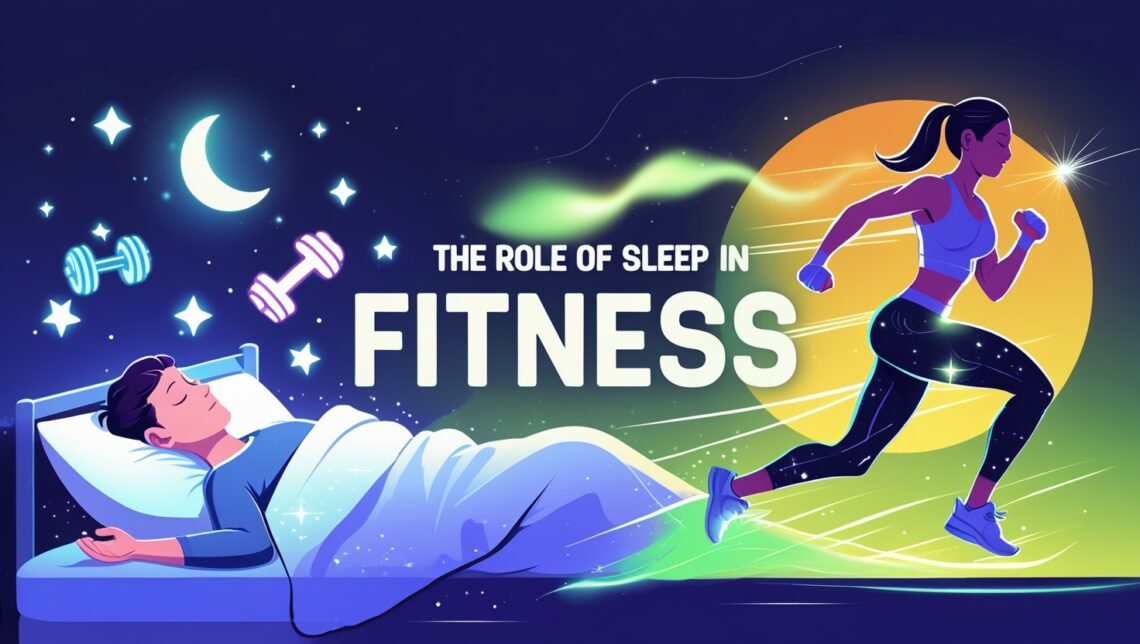
When we think about fitness, most people concentrate only on diet and exercise, but in reality, there is one more important thing that affects your physical and mental performance deeply, and that is “sleep”. Fitness is not just about building muscles or burning calories, but it is a holistic process in which the rest of the body is as important as the workout. When you sleep after fatigue, your body starts its repair and recovery process during which muscles grow, tissues get healed, and your nervous system relaxes. Lack of sleep not only reduces your stamina but also disturbs your focus, concentration, and emotional balance. Your motivation level drops, your workout routine becomes inconsistent, and the risk of injuries increases. Sleep is scientifically proven to regulate hormones like growth hormone and cortisol, which play a vital role in your body composition and fat loss.
If you do not sleep properly at night, you are unable to get up in the morning and enjoy your workout, you feel sluggish, and your energy levels remain low. In this blog, we will see how sleep is related to fitness, what the disadvantages of being sleepy and how you can get better results by balancing your workout and sleep.
1. Relationship between Sleep and Fitness:
Sleep and fitness have a deep and important relationship that people generally ignore. As much as we pay attention to our diet and workout, it is equally or sometimes even more important that we take care of our sleep. When you take deep and peaceful sleep at night, your body goes into repair and recovery mode. During this time, your nervous system relaxes, muscles get repaired, and the brain processes all the information that is acquired during the day. Lack of sleep directly affects your energy level, which affects your workout. You get tired quickly, lose focus, and the risk of injury increases.
Another benefit of sleep is that it keeps stress hormones like cortisol under control, which can otherwise cause you to gain body fat. The better your sleep is, the better your mood, energy level, and performance are. So if you are taking your fitness journey seriously, then do not ignore sleep. Getting a good sleep is no less than a luxury; it is a necessity that can make a difference in your overall health and performance. To stay fit, not only working out and diet, but restful sleep is also necessary.
2. Role of sleep in muscle recovery:
When you do an intense workout, your muscles develop micro-tears, i.e., small injuries which are repaired naturally. But this repair process is effective only when you get complete and deep sleep. At night, when you are sleeping, your body releases growth hormone, which helps in the repair and growth of muscle tissues. If this hormone is not released at the right time and in the right quantity, your recovery becomes slow, and you do not feel ready for the next workout. During sleep, your heartbeat slows, blood pressure drops, and muscles go into relaxed mode.
During this time, blood flow to the muscles increases, which carries nutrients and oxygen that help in repair and recovery. If sleep is not complete, muscles do not recover properly, which increases soreness, the risk of injury increases, and progress is halted. The real benefits of fitness can be achieved only when you give importance to recovery along with training, and the most important part of recovery is sleep. Every fitness expert believes that just going to the gym is not enough to build muscles; proper diet and deep, restful sleep are equally important. If you want to make your muscles really strong, then make sure to get enough sleep.
3. Effect on Hormonal Balance and Metabolism:
Sleep has a direct effect on your hormones and metabolism. When your sleep is complete with a full cycle, your hormones such as growth hormone, cortisol, insulin, and leptin work in their natural rhythm. Growth hormone, as mentioned earlier, helps your body in tissue repair and muscle growth. If your sleep is disturbed, this hormone is released less, and your metabolism slows down. Leptin and ghrelin are two hormones that control hunger. Leptin signals to you that your stomach is full, while ghrelin increases hunger.
Lack of sleep increases ghrelin and decreases leptin, which makes you feel hungrier and start eating unhealthy things. Cortisol, which is a stress hormone, is also increased due to lack of sleep, and this can be responsible for belly fat and weight gain. Proper sleep is important so that your hormones remain in balance and your metabolism remains active and efficient. When this balance is disturbed, you not only feel tired but both lose weight and gain muscle become difficult. So if you want your body to work in the right manner with hormones, then make sleep a part of your daily routine and give it priority.
4. Sleep Deprivation and Workout Performance:
When you don’t get enough sleep, it first affects your physical and mental performance. Your body doesn’t rest properly, and you feel tired the next day, your concentration is impaired, and your motivation is low. During workouts, stamina is reduced, you get tired quickly, and it becomes difficult to maintain proper form, which can lead to injury. Sleep deprivation is not just limited to physical strength, but it also disturbs your reaction time, coordination, and focus. When you get up without proper sleep, you are not mentally alert, which weakens your decision-making while working out.
Apart from this, studies have proved that if you continue to sacrifice sleep, your endurance and overall physical performance gradually decline. People who exercise regularly and have complete sleep progress more effectively as compared to those whose sleep is disturbed. Recovery is also difficult, which leads to soreness and fatigue. So, if you want your workout routine to be fruitful and you can make consistent progress, then you have to consider your sleep as a part of training. By sacrificing sleep, you are blocking your progress.
5. What to include in your fitness routine for better sleep:
If you want to improve your sleep, you should include some habits in your fitness routine that support your sleep cycle. First of all, do physical activity during the day, whether it is a walk or a proper gym session. Regular exercise makes the body tired and naturally induces sleep. But avoid heavy workouts at night as they increase adrenaline levels, which can delay sleep. Your workout routine should be in the morning or early evening. Apart from this, create a bedtime routine that includes relaxation, such as stretching, deep breathing, or light meditation. These activities calm your mind and make sleep easier.
Try to have a consistent sleep time every day so that your biological clock remains stable. Also, avoid caffeine and screen time late at night as both can disrupt sleep. A healthy diet also helps in better sleep, especially foods rich in magnesium and tryptophan. Cut down on sugar and processed foods if you have trouble sleeping. You can also use your fitness tracker, which will tell you your sleep patterns. Fitness and sleep are partners of each other; only by balancing both can you achieve the best results.
6. Conclusion:
Often, people think fitness means only workout and diet, but in reality, there are three pillars of a successful fitness journey exercise, nutrition, and restful sleep. As much time you spend in the gym, as much or even more important time is for your rest, where the body gets repaired. Having a good sleep is not just a matter of comfort; it is a biological requirement in which both your brain and body get recharged. When your sleep is complete, you feel more energetic, perform better, and are saved from injuries. Hormonal balance is maintained, metabolism remains healthy, and appetite remains under control. Sleep deprivation not only affects performance but also disturbs your mental health, emotional stability, and motivation. If you want consistency, if you want sustained progress, ignoring sleep can take you away from your fitness goals. Starting today, make your sleep schedule a part of your routine. Consider sleep a necessity, not a reward. When you prioritize sleep, your body also rewards you with better energy, improved mood, and stronger performance. Fitness is not just about building the body; it is about building a lifestyle, and sleep plays an important role in that lifestyle.
FAQs:
1. Why is sleep important for fitness?
Sleep is essential for fitness because it helps the body recover, repair muscles, and maintain energy levels. During deep sleep, growth hormone is released, which is crucial for muscle growth and recovery. Without proper sleep, your performance, stamina, and motivation decrease, making it harder to reach your fitness goals.
2. How does lack of sleep affect workout performance?
Sleep deprivation reduces your stamina, focus, and coordination. You feel tired, your reaction time slows down, and your chances of injury increase. It also lowers your motivation, which can lead to skipping workouts or not giving your best effort during training sessions.
3. What role does sleep play in muscle recovery?
When you sleep, your body goes into recovery mode. Muscle tissues that were torn during workouts are repaired with the help of growth hormones released at night. Proper sleep increases blood flow to muscles, delivering the oxygen and nutrients needed for effective recovery and strength building.
4. Can poor sleep affect weight loss and metabolism?
Yes, lack of sleep disrupts hormones like leptin and ghrelin, which regulate hunger and appetite. It also increases cortisol, a stress hormone linked to belly fat. Poor sleep slows down your metabolism, making it harder to lose weight and build muscle.
5. How can I improve sleep through my fitness routine?
To improve sleep, exercise regularly but avoid heavy workouts late at night. Follow a relaxing bedtime routine, avoid caffeine and screens before bed, and eat a balanced diet with nutrients like magnesium. Staying consistent with your sleep and wake times also helps regulate your body clock for better rest.
